
How Much Does Mold Testing Cost in Louisville, KY?
There’s no single flat price for mold testing. A few real factors move the cost up or down, and knowing them ahead of time helps you budget before you even make a call.
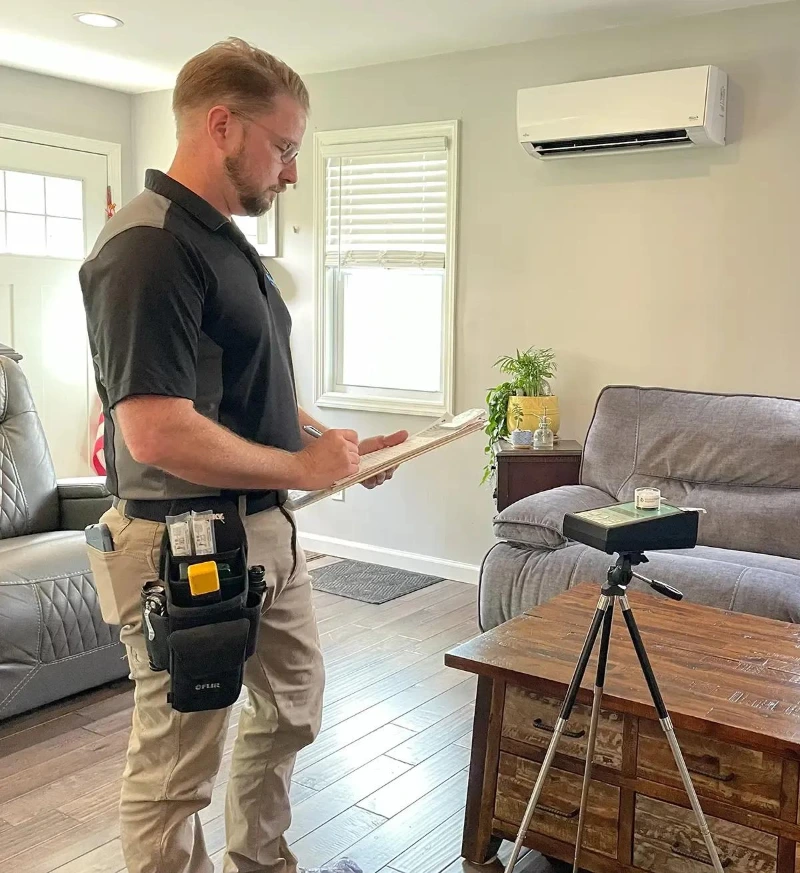
Mold testing costs vary from home to home. The price depends on how big your property is, how many samples get taken, and whether the results need to come back fast. There’s no honest way to give you one flat number without knowing your specific situation. What you can know ahead of time is exactly what drives the price up or down, so a quote makes sense instead of feeling random.
What Actually Affects the Price of a Mold Test
A few things tend to matter most. The size of your home is one. A small condo takes less time and fewer samples to test than a large house with a basement, a crawl space, and an attic. Each of those areas may need its own sample if there’s a reason to check it.
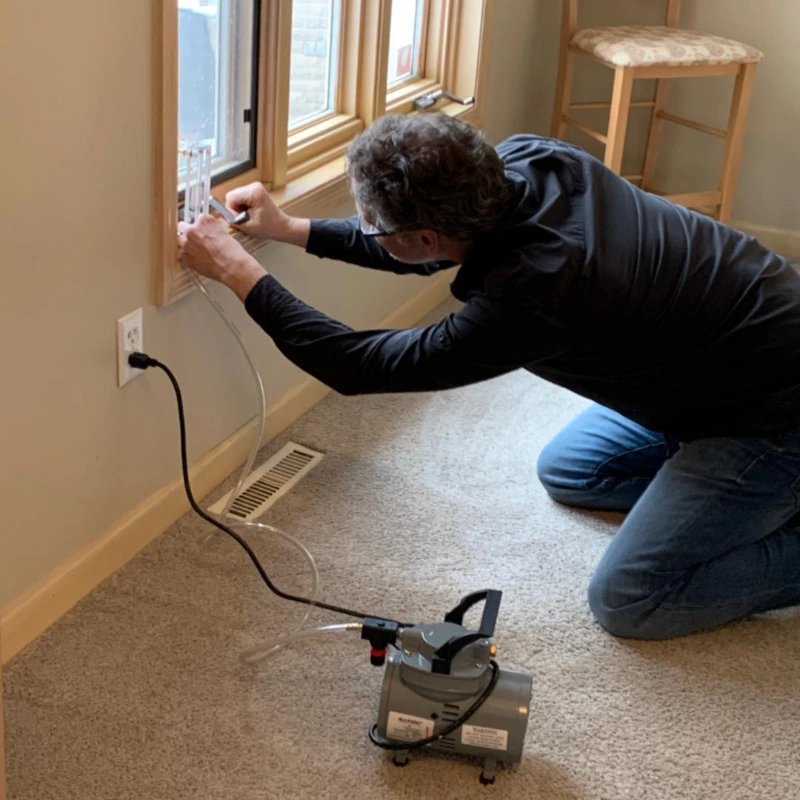
The number of samples is another big factor. Testing companies usually charge per sample, not a single flat fee for the whole visit. One air sample in one room costs less than five samples spread across a whole house. If you only need to check one spot, like a bathroom with a known leak, the price should reflect that.
Lab turnaround time can also change the price. Standard lab analysis usually takes a few business days. If you need answers faster, some labs charge a rush fee to move your samples to the front of the line.
Air Samples vs. Surface Swabs
Testing companies usually offer two main types of samples. Air samples measure what’s actually floating in the air you breathe. Surface swabs check a specific spot, like a stain on drywall, to confirm whether it’s mold and what kind. Some situations call for one type, some call for both. Since each sample is typically billed on its own, choosing only the samples you actually need keeps the total cost down.
Why the Cheapest Option Isn’t Always the Best Value
A very low price can be a red flag, not a deal. Some companies offer a “free” or nearly free test hoping you’ll hire them for a bigger remediation job afterward, even if you didn’t need one. That’s a conflict of interest worth watching for. An independent lab or a tester who isn’t also selling you the cleanup tends to give a more objective result, even if it costs a bit more upfront.
It also helps to know that testing isn’t always the required first step. As explained in our comparison of mold inspection, testing, and remediation, a visual inspection alone is sometimes enough when mold is already obvious and the cause is already known. Skipping a test you don’t actually need is the simplest way to save money.
Questions Worth Asking Before You Book
A quick conversation before you agree to anything can save you from a surprise bill later:
- Is the price per sample or per visit? A quote that sounds low might only cover one sample, with more added on later.
- Does the price include lab analysis? Some companies charge separately for the lab fee on top of the visit.
- How many days until you get results? Ask upfront if faster turnaround costs extra.
- Will you get a written report? A written report matters if you need documentation for a home sale, an insurance claim, or a landlord.
A quick note on comparing quotes. Two companies quoting different prices aren’t necessarily comparing the same thing. One might include two air samples and lab fees, while another only covers a single sample with the lab bill added separately. Ask exactly what’s included before comparing the numbers side by side.