
Attic Mold Removal Louisville, KY
Attic mold removal is containment, removal, and treatment work focused specifically on roof decking, rafters, and insulation, the attic surfaces where heat and trapped moisture create conditions mold doesn’t show up in the rest of the house.
We contain the attic space, remove insulation and materials that can’t be cleaned, treat the surfaces that stay, and run HEPA filtration throughout the work. Serving homeowners across Louisville, KY.
- Containment keeps spores out of living spaces below
- EPA-guided removal practices
- Louisville, KY & surrounding ZIPs
Request an Inspection
What’s Included in Attic Mold Removal
- Containment set up at the attic access point so spores don’t spread into the living space below
- Removal of contaminated insulation and other materials that can’t be cleaned
- Antimicrobial treatment of roof decking, rafters, and other attic surfaces that stay
- HEPA air filtration running throughout the work
- A final check of the attic before we consider the job done
- Mold in living spaces below the attic. See our mold remediation service
- Lab-confirmed testing before work begins. See our mold testing service
- Roofing repairs themselves, we’ll point you toward a specialist trade if that’s needed
Signs You May Have Attic Mold
Attic mold is easy to miss since most people rarely go up there. These are the signs worth checking for.
Visible dark spotting on the underside of the roof decking or rafters
A musty smell noticeable on the upper floor or as soon as the attic access is opened
Insulation that looks discolored, damp, or matted down in one area
Avoiding the attic altogether because of the smell or what’s visible up there
Noticed something in your attic?
Get an Attic QuoteWhat Actually Happens During Attic Mold Removal
Here’s what happens, step by step.
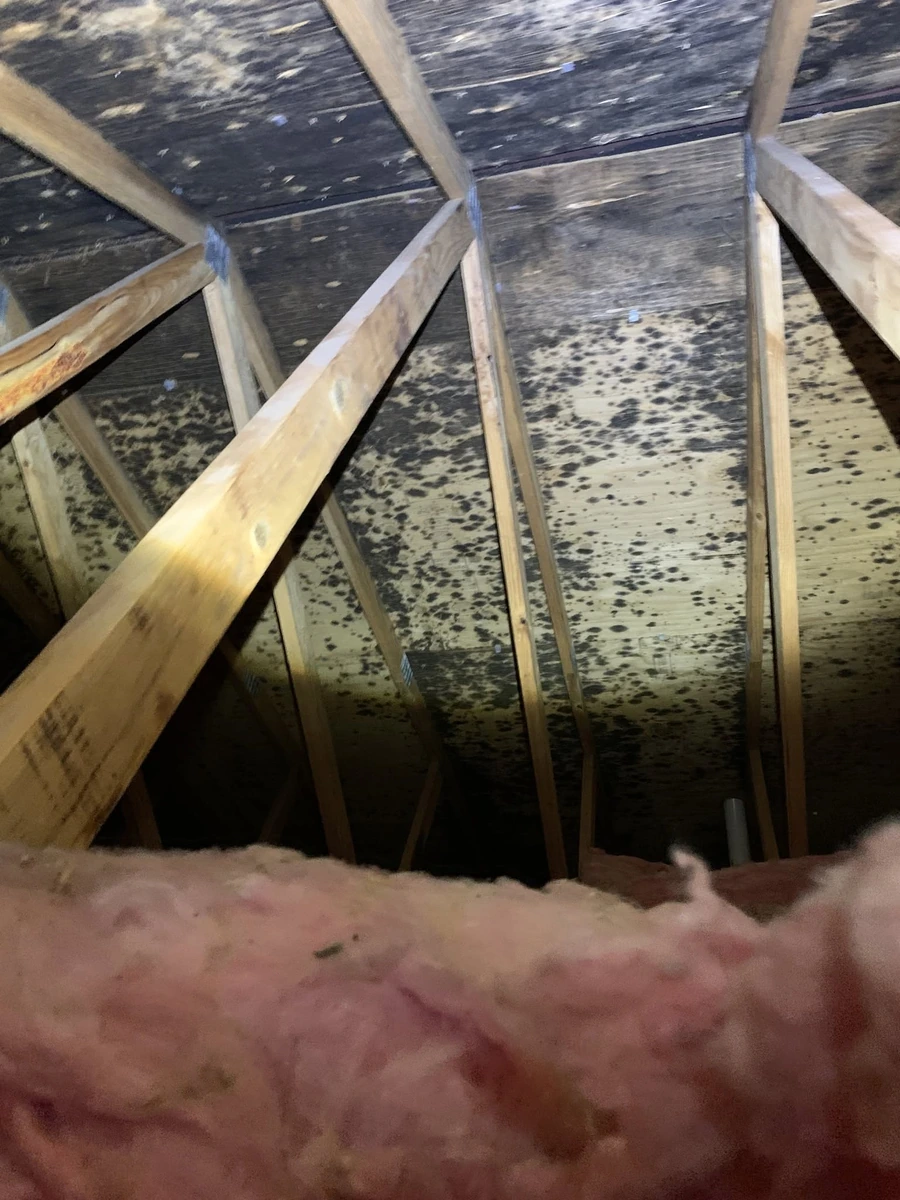
Attic Assessment
We check the extent of the growth and how it’s accessed before deciding on a removal plan.
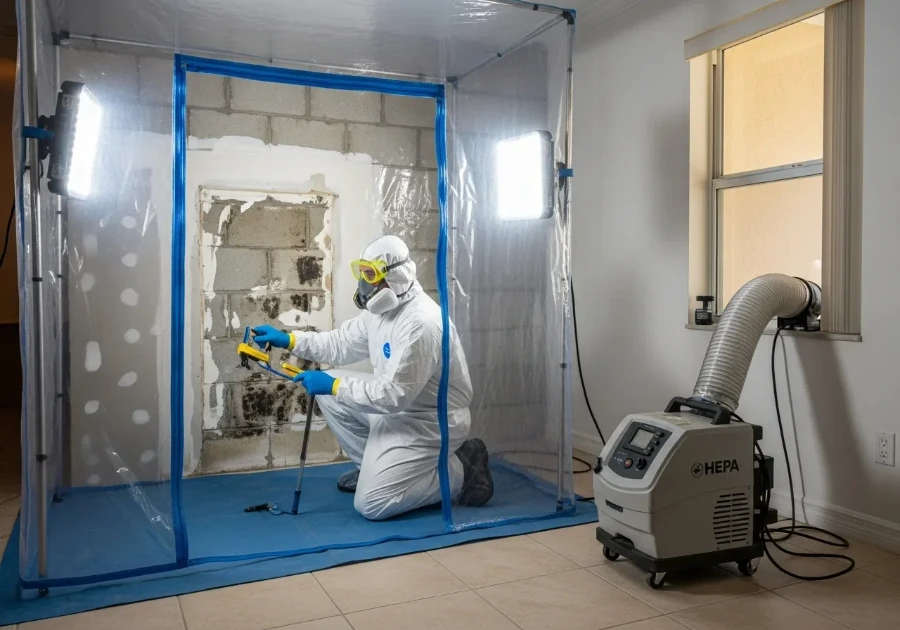
Containment Setup
We seal off the attic access point so spores stay contained and don’t spread into the rooms below.
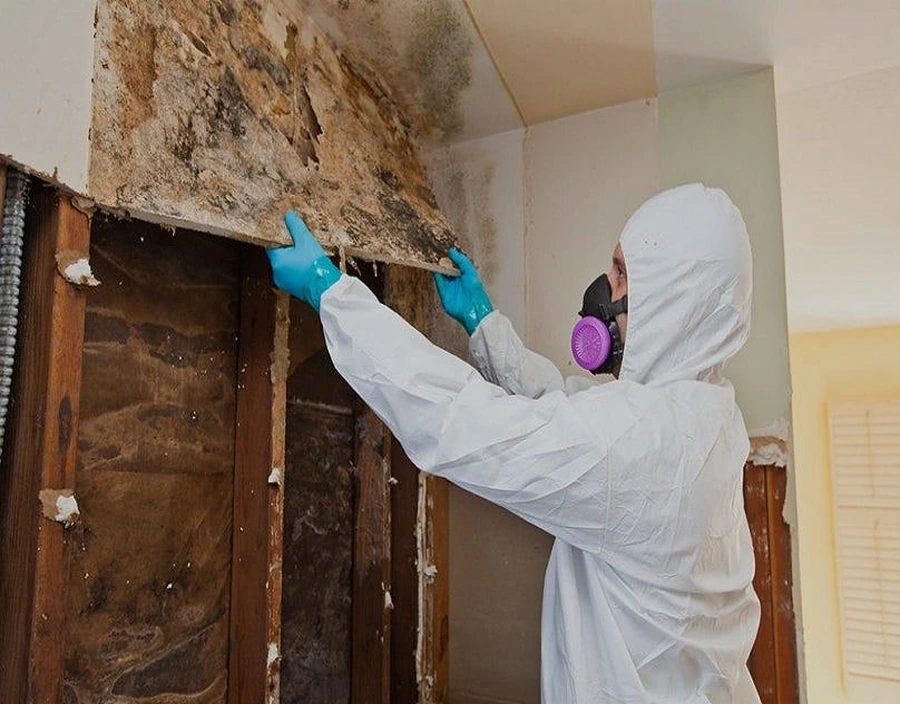
Removal & Treatment
Contaminated insulation is removed and remaining roof decking or rafters are treated with an antimicrobial.
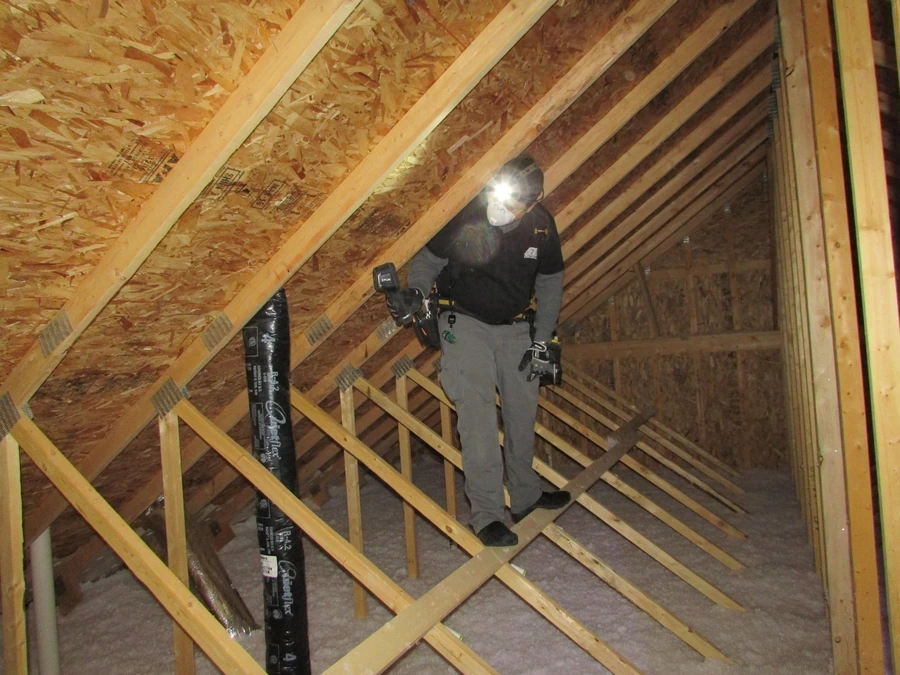
Final Attic Check
We do a final check of the attic before removing containment and calling the job done.
What Attic Mold Removal Costs
Cost depends on the specific attic. Here’s what affects it:
- The size of the attic and how much of it is affected
- How much insulation needs to be removed and replaced
- How accessible the attic is to work in
- Whether HVAC ductwork runs through the affected area
Tell us what you’re seeing and we’ll quote a removal plan sized to your attic.
How We Reduce Your Risk
- A written scope of work before we remove anything, so you know exactly what’s being replaced
- Containment at the access point that protects the rest of your home while we work
Real Attic Mold Removal Results
Before and after: the same attic space, before removal and after the job was finished.
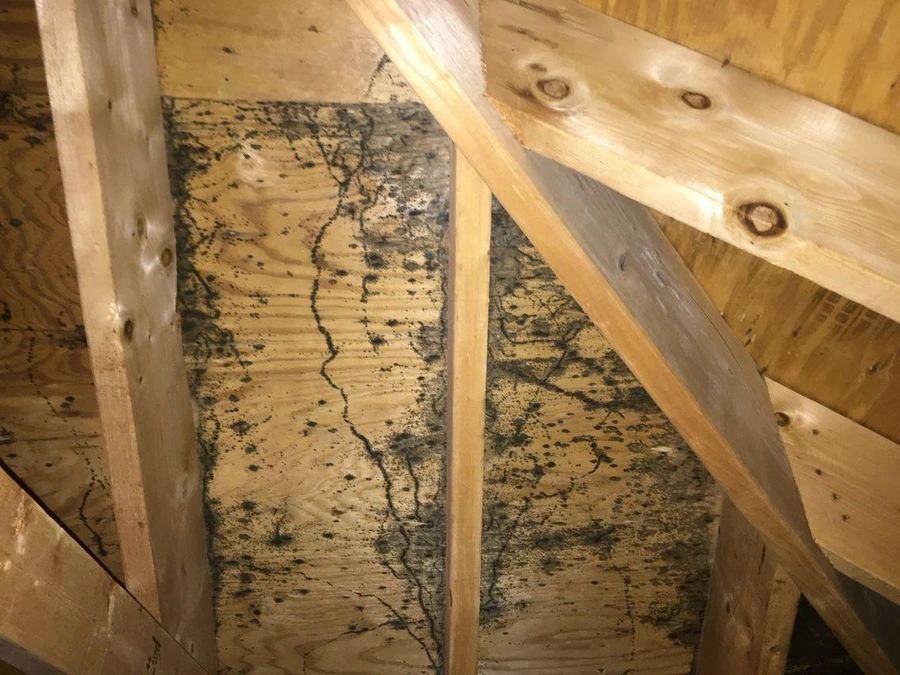 Before
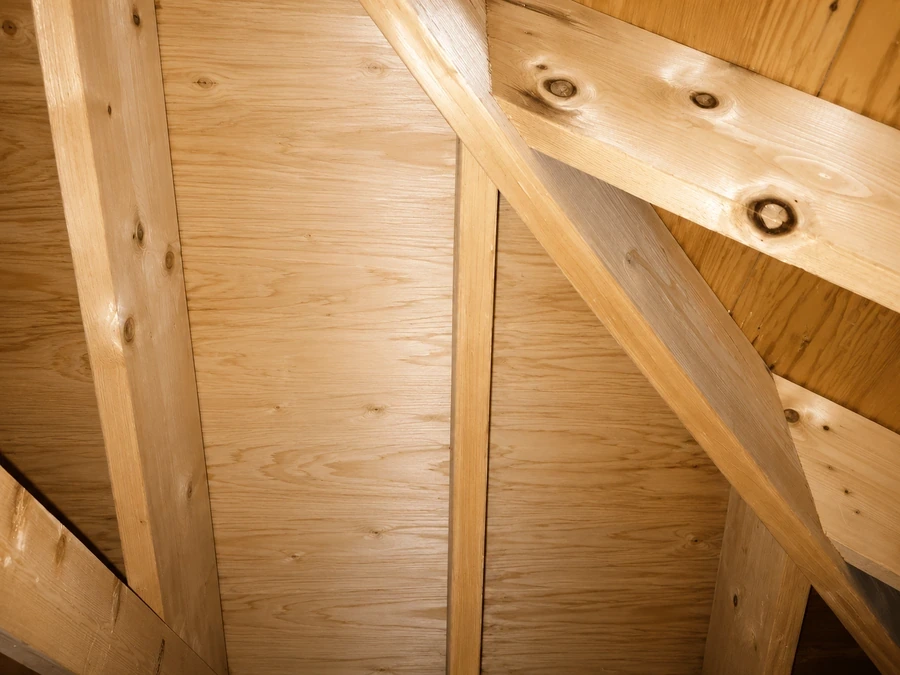 After
After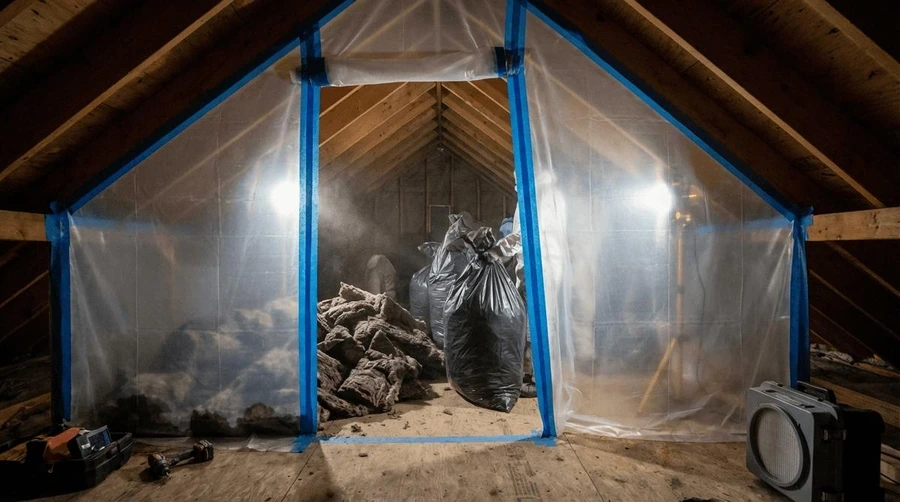 Before
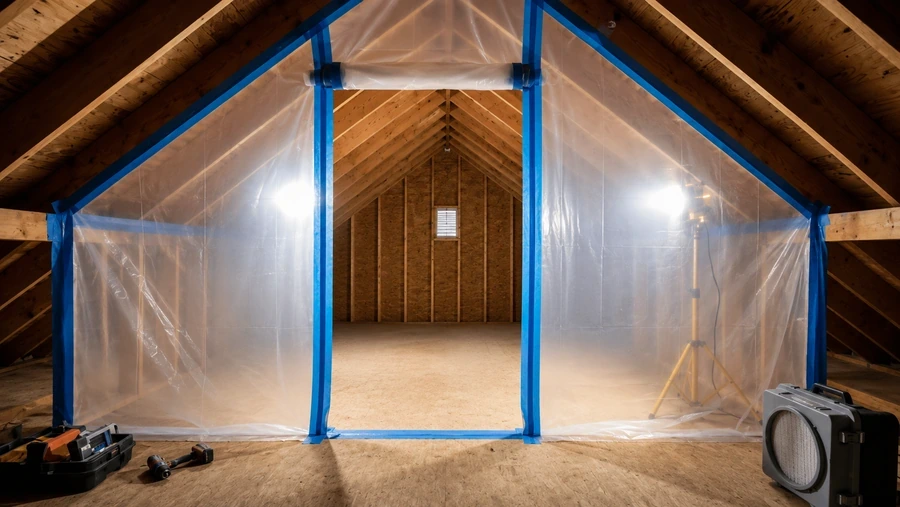 After
AfterWhat Louisville Homeowners Say
A few notes from recent attic mold removal jobs around the metro.

We only found out about the attic mold because of a musty smell in the upstairs bedroom. Never would have guessed to check up there ourselves.

Our home inspector flagged spotting on the roof decking during a routine attic check. They contained the access point before starting so the rest of the house wasn’t affected.

Insulation in one corner of the attic looked matted down and discolored after a roof leak. They replaced the affected section and treated the rafters underneath it.
What Backs Up Our Work
EPA-Guided Removal Practices
Attic mold removal follows current EPA guidance for mold removal and containment.
Licensed & Insured
Attic mold removal is carried out by a licensed and insured local team.
Containment at the Access Point
Every attic job is contained at the access point so spores stay out of the living space below.
Attic Mold Removal Questions, Answered
For an attic specifically, the signs are easy to miss since most people rarely go up there: dark spotting on the roof decking or rafters, discolored or matted-down insulation, and a musty smell that’s noticeable on the upper floor before it’s visible anywhere. A musty smell with no obvious source in the rooms below is reason enough to check the attic directly.
Attics run hotter and more humid than the rest of the house for much of the year, so they’re prone to mold growth on a longer stretch of the calendar than a typical living space. A roof leak that happens any time of year can also go unnoticed in the attic far longer than one in a room you use daily, which is often the bigger factor.
In an attic specifically, permanent removal means taking out insulation and other materials that can’t be cleaned, treating the roof decking and rafters that stay, and addressing whatever moisture source let it grow in the first place. Wiping visible spots without removing contaminated insulation or fixing the moisture issue tends not to hold.
No, and this comes up often with roof decking specifically since it can look like a quick fix. Painting over mold on decking or rafters doesn’t remove it or the moisture behind it, growth typically continues underneath. The contaminated surface needs to actually be treated or removed.
Found Mold in Your Attic?
You’ll get a written scope of work, containment at the access point, and a treated, cleared attic when we’re done.
- Containment keeps spores out of living spaces below
- EPA-guided removal practices
- Serving Louisville, KY
- A clear, itemized scope before we touch any insulation or decking