
Basement Mold Remediation Louisville, KY
Basement mold remediation is mold removal work paired with moisture control specific to basements, where humidity, foundation dampness, and past flooding create conditions that keep coming back unless the moisture source is addressed along with the mold itself.
We contain the basement area, remove materials that can’t be saved, treat what stays, and dehumidify to address the moisture behind it. Serving homeowners across Louisville, KY.
- Moisture source addressed, not just the mold
- EPA-guided removal practices
- Louisville, KY & surrounding ZIPs
Request an Inspection
What’s Included in Basement Mold Remediation
- Containment of the basement area during removal
- Removal of contaminated drywall, carpet, and other materials that can’t be saved
- Structural drying and dehumidifying to address ongoing basement humidity
- Antimicrobial treatment of surfaces that stay
- A conversation about the moisture source itself, so the problem doesn’t just come back
- Mold above the basement level. See our mold remediation service
- Water extraction from an actively flooded basement. See our water damage restoration service
- Lab-confirmed testing before work begins. See our mold testing service
Signs You May Have Basement Mold
Basements have their own set of warning signs, separate from the rest of the house.
A musty smell that’s noticeably stronger in the basement than the rest of the house
Visible spotting on drywall, framing, or items stored down there
A history of basement flooding or a foundation leak that was never fully resolved
Condensation regularly forming on basement walls or pipes
Dealing with basement mold or that smell?
Get a Basement QuoteWhat Actually Happens During Basement Mold Remediation
Here’s what happens, step by step.
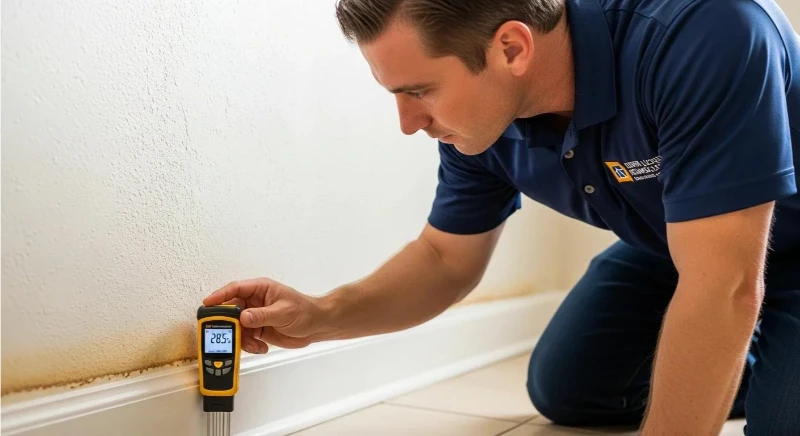
Basement Assessment & Moisture Check
We check the extent of the growth and look for the moisture source behind it before planning the work.
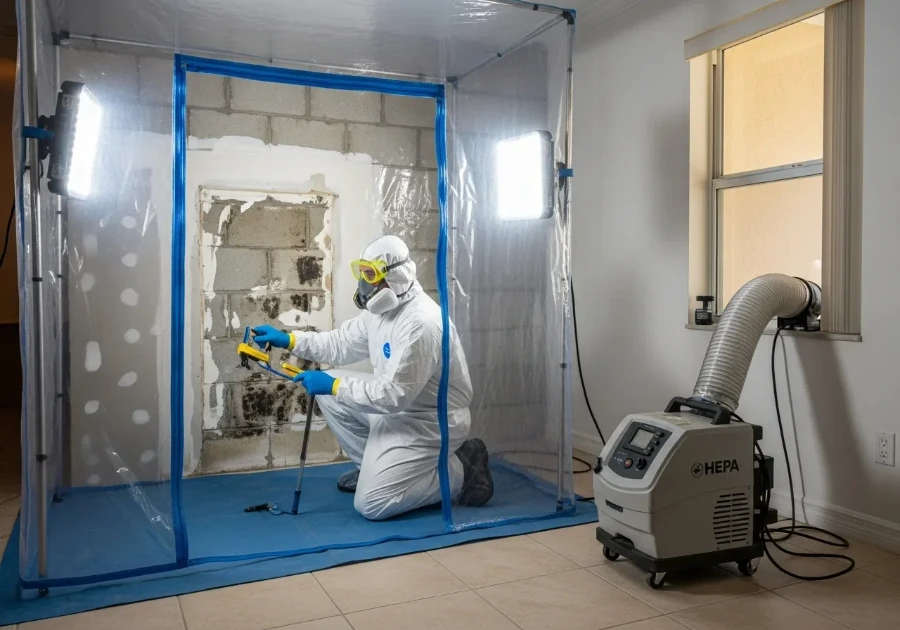
Containment Setup
We seal off the basement area so spores don’t spread to the rest of the house while we work.
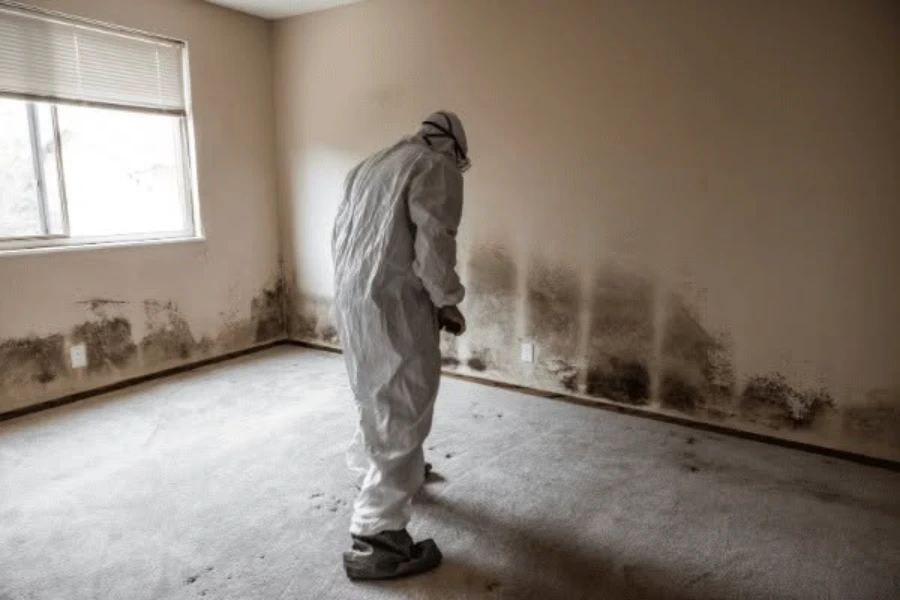
Removal & Treatment
Contaminated drywall, carpet, or other materials are removed, and remaining surfaces are treated.
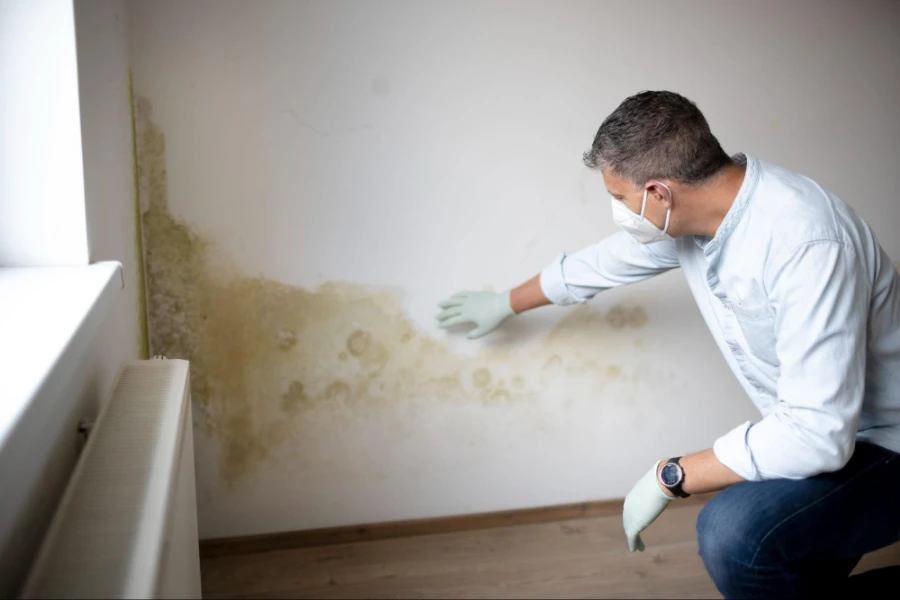
Dehumidifying & Final Check
We dry out the space and check that humidity levels are back to normal before calling it done.
What Basement Mold Remediation Costs
Cost depends on the specific basement. Here’s what affects it:
- Whether the basement is finished or unfinished, and how much of it is affected
- How much drywall, carpet, or other material needs removing and replacing
- The extent of the moisture problem behind it
- Whether ongoing dehumidification equipment is recommended after the work
Tell us what you’re seeing and we’ll quote a plan sized to your basement.
How We Reduce Your Risk
- A written scope of work before we remove anything, so you know exactly what’s being replaced
- A moisture-source discussion, not just removal, so this isn’t a job you’re paying for twice
Real Basement Mold Remediation Results
Before and after: the same basement, before remediation and after the job was finished.
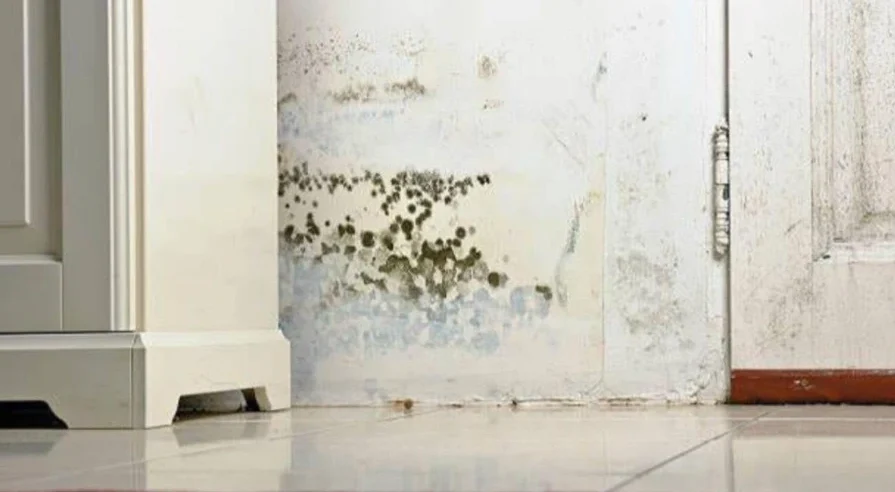 Before
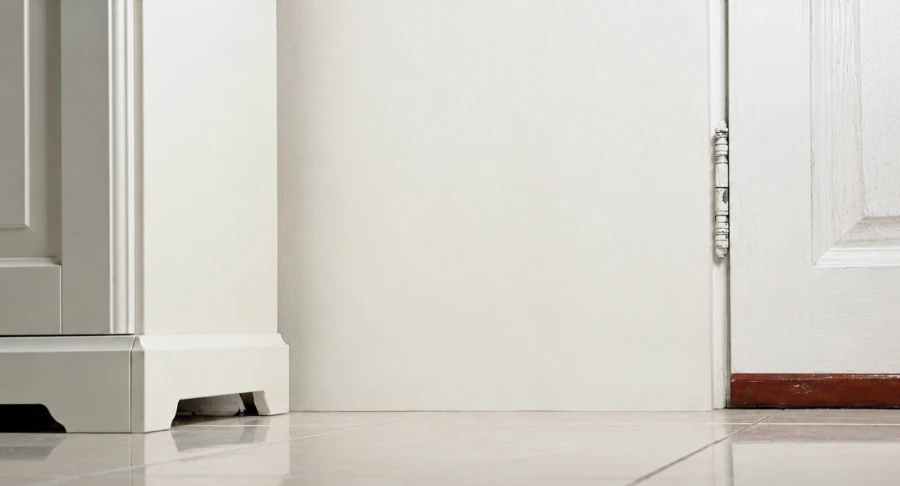 After
After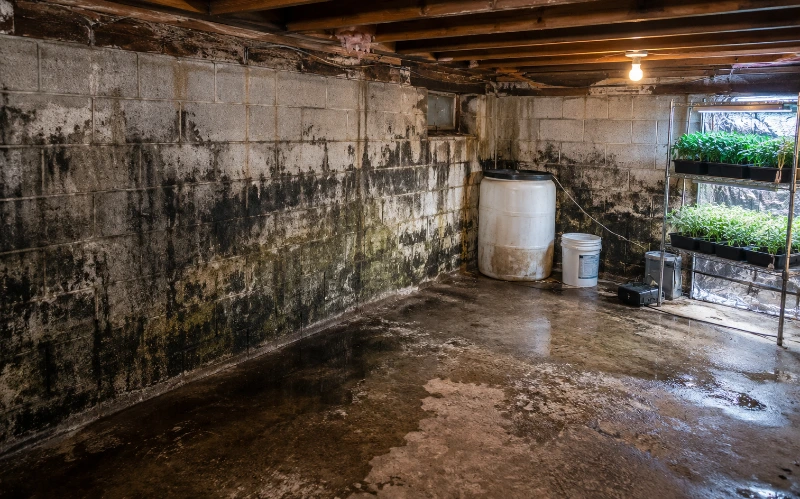 Before
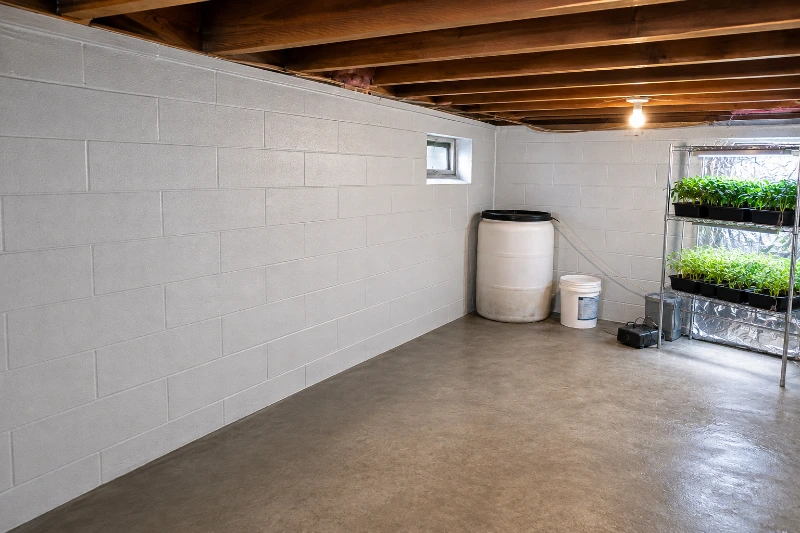 After
AfterWhat Louisville Homeowners Say
A few notes from recent basement mold remediation jobs around the metro.

Our basement had flooded twice before we finally called someone. They actually explained why it kept coming back instead of just cleaning it up and leaving.

Finished basement we use as a playroom had a musty smell we couldn’t place. Turned out to be behind the drywall near an old crack in the foundation.

We store a lot of boxes down there and were worried about losing everything. They walked us through what actually needed to go versus what could be cleaned.
What Backs Up Our Work
EPA-Guided Removal Practices
Basement mold remediation follows current EPA guidance for mold removal and moisture control.
Licensed & Insured
Basement mold remediation is carried out by a licensed and insured local team.
Moisture-Source Focused
We address the humidity or leak behind the mold, not just the visible growth, so it’s less likely to return.
Basement Mold Remediation Questions, Answered
Basements are one of the first places a home inspector checks, so unresolved mold or a musty smell down there is a common reason for negotiation or financing delays. Getting it professionally addressed and documented before listing protects the sale price and speeds up the process.
Yes, in most cases. Basement work is contained to the basement itself, so the rest of the house stays livable while we work. If your basement is finished and used as a bedroom or living space, we’ll talk through timing before starting.
Basements often double as storage, so this comes up a lot. Porous items stored directly in the affected area, cardboard boxes, damaged carpet, upholstered furniture, usually aren’t salvageable. Non-porous storage bins and lightly affected items can often be cleaned instead.
For a basement specifically, “safe” mostly comes down to whether the moisture source, a foundation leak, poor drainage, or condensation, was actually addressed alongside the mold itself. Removing mold without fixing what’s feeding it is why basement mold is one of the more common repeat offenders.
Dealing With Mold in Your Basement?
You’ll get a written scope of work, containment, and the moisture source addressed alongside the mold itself.
- Moisture source addressed, not just the mold
- EPA-guided removal practices
- Serving Louisville, KY
- A plan sized to your specific basement