Mold Inspection vs. Mold Testing vs. Mold Remediation: What’s the Difference?
If you’ve started looking into a mold problem, you’ve probably run into all three of these terms within a few minutes of searching. People online use them almost interchangeably, and that doesn’t help. Here’s what each one actually means, in plain language.
Mold inspection, mold testing, and mold remediation are three different services. Each one happens at a different stage of the same problem. A mold inspection looks for signs of a problem. Mold testing confirms what that evidence actually is. Mold remediation is the work of removing the mold and fixing what caused it. Most homeowners only need one or two of the three. Knowing which one fits your situation is the fastest way to stop overpaying, or to stop waiting too long to act.
What Is a Mold Inspection?
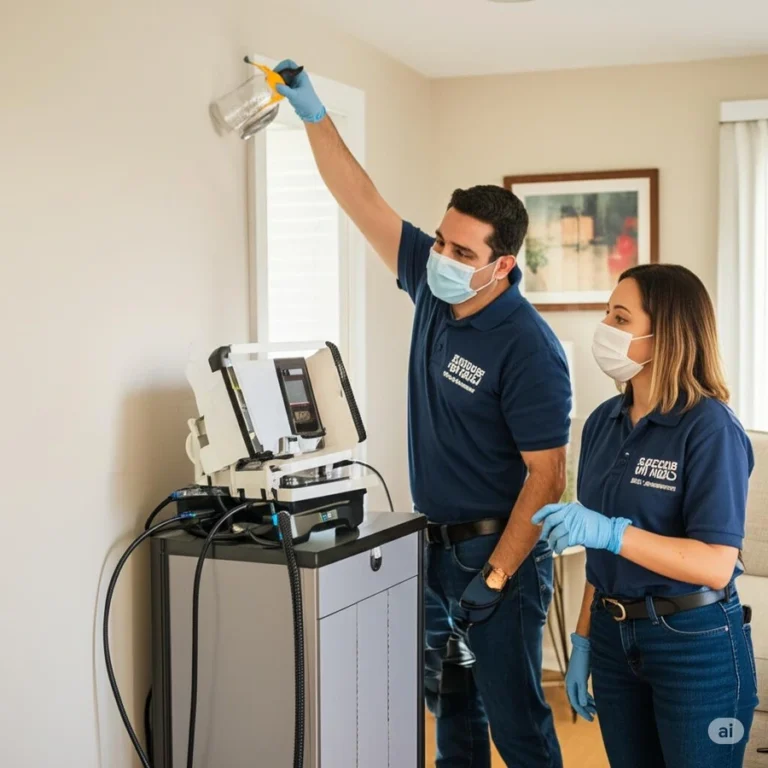
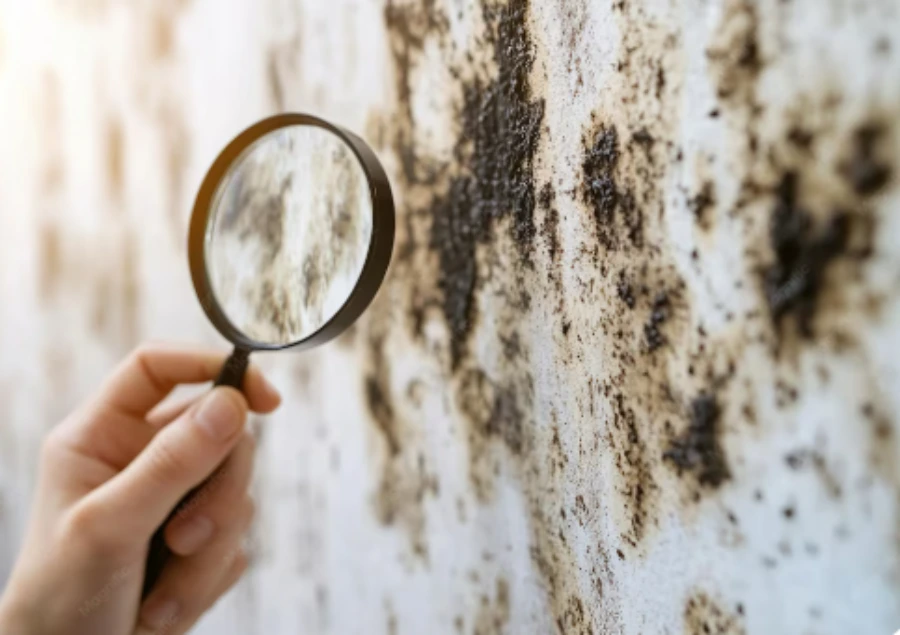
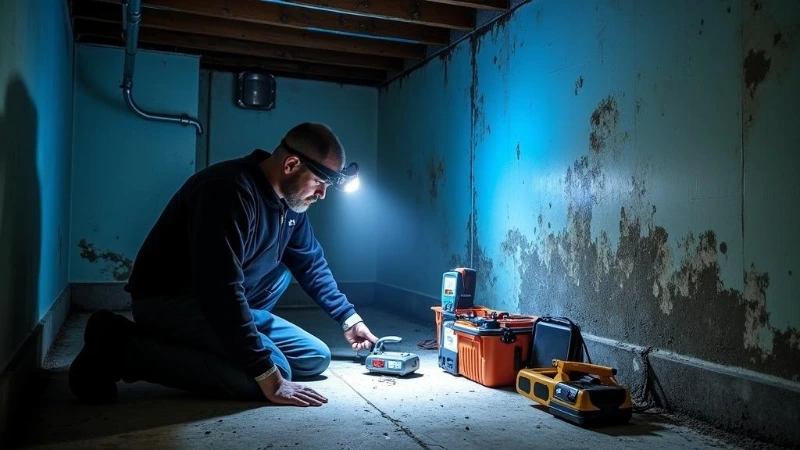
A mold inspection is a hands-on, visual check of your property. An inspector walks through the areas you’re worried about. They also check a few spots you probably haven’t thought of, like behind appliances, under sinks, or inside a crawl space. They look for staining, musty smells, peeling paint, warped drywall, and moisture readings that point to a problem, even before any mold is visible.
A good inspection is mostly about finding the moisture source, not just spotting the mold. Mold is a symptom. If an inspector only shines a flashlight on the visible spot and never traces where the moisture is really coming from, the inspection hasn’t done its job. Whatever is feeding that spot will keep feeding it after a cleanup, too.
An inspection alone won’t tell you what species of mold you’re dealing with. It also won’t confirm how contaminated the air actually is. That’s what testing is for.
What Is Mold Testing?
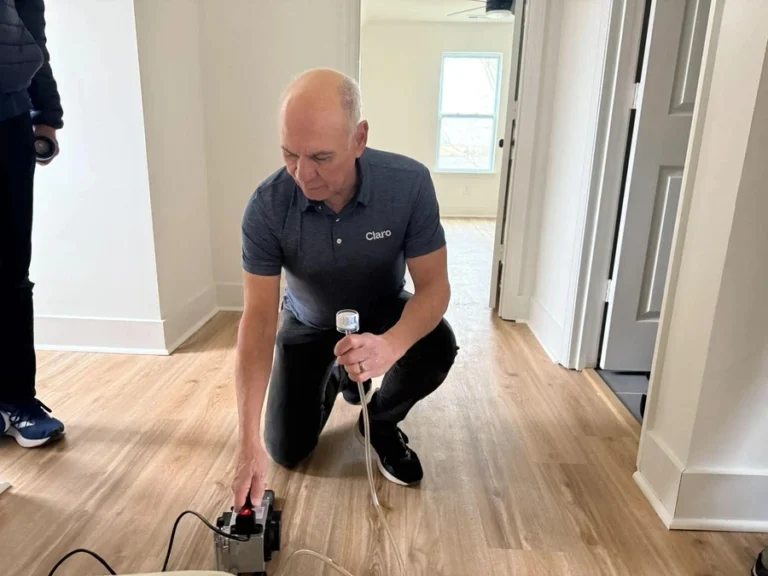
Mold testing is a lab-based process. It usually means collecting air samples, surface swabs, or both, then sending them to an independent lab for analysis. The results come back with real numbers: spore counts, the mold species found, and how those counts compare to a normal outdoor baseline for the same air.
Testing answers two questions an inspection can’t. First, what exactly is this? Second, how much of it is actually in the air I’m breathing? That distinction matters most when there’s no visible mold, but someone in the home has ongoing allergy-like symptoms. It also matters when a real estate deal needs documented proof one way or the other.
Testing isn’t always necessary. If mold is clearly visible, it’s spreading, and the moisture source is obvious, many reputable companies will tell you a lab test won’t change what happens next. It’ll just add cost. That’s worth asking about directly before you agree to it.
What Is Mold Remediation?
Mold remediation is the actual removal and cleanup work. It’s the part most people mean when they say “getting rid of the mold.” Depending on how bad the problem is, it usually includes sealing off the work area with containment barriers, running HEPA air filtration to catch airborne spores, and removing materials that can’t be cleaned, like soft drywall or soaked carpet padding. The crew then treats the remaining surfaces with an antimicrobial and dries the space back down to a normal moisture level.
One step separates real remediation from a surface-level cleanup: fixing whatever caused the moisture in the first place. Wiping down a moldy spot without fixing a leaking pipe, poor drainage, or a failed vent means the mold will likely come back in the same place.
How the Three Fit Together
None of these three services replace each other. Each one answers a different question, usually in this order:
| Service | What It Answers | When It’s the Right Starting Point |
|---|---|---|
| Mold Inspection | Is there a moisture or mold problem, and where’s it coming from? | You suspect a problem, like a musty smell, a past leak, or visible staining, but aren’t sure. |
| Mold Testing | What kind of mold is it, and how much is actually in the air? | No visible mold but ongoing symptoms, or you need documented lab results. |
| Mold Remediation | How do we remove it and stop it from coming back? | Mold is confirmed (visually or by testing) and needs to be physically removed. |
Which One Do You Actually Need Right Now?
A few quick ways to tell where you fall:
- You can see mold, and you know roughly why it’s there. Maybe it’s a known leak, recent flooding, or a humid crawl space. You can likely go straight to remediation and skip testing.
- You smell something musty but can’t find where it’s coming from. Start with an inspection. Chasing the smell yourself often means missing what’s behind a wall or under the flooring.
- There’s no visible mold, but someone in your home has unexplained allergy or breathing symptoms. Start with an inspection, then move to air testing if the inspector finds a reason for concern.
- You need documentation. For a home sale, an insurance claim, or a landlord dispute, testing is usually the piece that gives you something in writing.
A quick note on being asked to buy all three at once. It’s reasonable for a company to recommend an inspection before remediation. You want to know the moisture source is being fixed, not just the mold. But if the mold is already obvious and the cause is already known, testing on top of that is often optional, not required. A company that’s upfront about that is usually one worth trusting with the rest of the job.