
Mold Inspection Louisville, KY
Mold inspection is a hands-on, visual walkthrough that checks your property for visible mold and the moisture problems behind it, with no lab sampling involved.
We check walls, wood, and other surfaces in the areas most prone to moisture, take moisture readings, and give you a written summary of what we found and what to do about it. Serving homeowners, buyers, and businesses throughout the Louisville metro.
- Thorough, room-by-room walkthrough
- Straight answers, no upsell pressure
- Louisville, KY & surrounding ZIPs
Request an Inspection
Is Mold Inspection What You Need?
Mold inspection, mold testing, and mold remediation are three different services, and knowing which one applies here saves you time and money.
Mold Inspection
A visual, hands-on walkthrough to spot visible mold and the moisture problems that cause it, with a written summary and honest next-step recommendations. No lab sampling included.
Mold Testing
Air and surface samples sent to an independent lab for a documented, lab-confirmed answer. See our mold testing service.
Mold Remediation
The actual removal, containment, and cleanup once mold has already been confirmed. See our mold remediation service.
What’s Included in a Mold Inspection
- A room-by-room visual check of walls, wood, and other surfaces for visible mold or moisture damage
- Moisture readings and a leak evaluation in the areas most prone to dampness
- A look at basements, crawl spaces, and attics for past water damage or hidden growth
- A written summary of what was found, with clear, straightforward explanations
- Honest recommendations on whether testing or remediation actually makes sense next
- Lab sample collection or analysis. See our mold testing service
- Removal or cleanup of confirmed mold. See our mold remediation service
- Repair of the moisture source itself. We coordinate that separately if needed
When a Mold Inspection Makes Sense
An inspection is a good first step whenever you want a professional set of eyes on the situation.
Buying a home and want a professional walkthrough before you close
Water stains, past flooding, or a roof leak you’d like a second opinion on
Spots or discoloration on a wall or ceiling you want checked before deciding anything
Preparing to sell and want to know what a buyer’s own inspector might flag
Any of these sound familiar?
Request an InspectionWhat Actually Happens During a Mold Inspection
Here’s what happens, step by step.
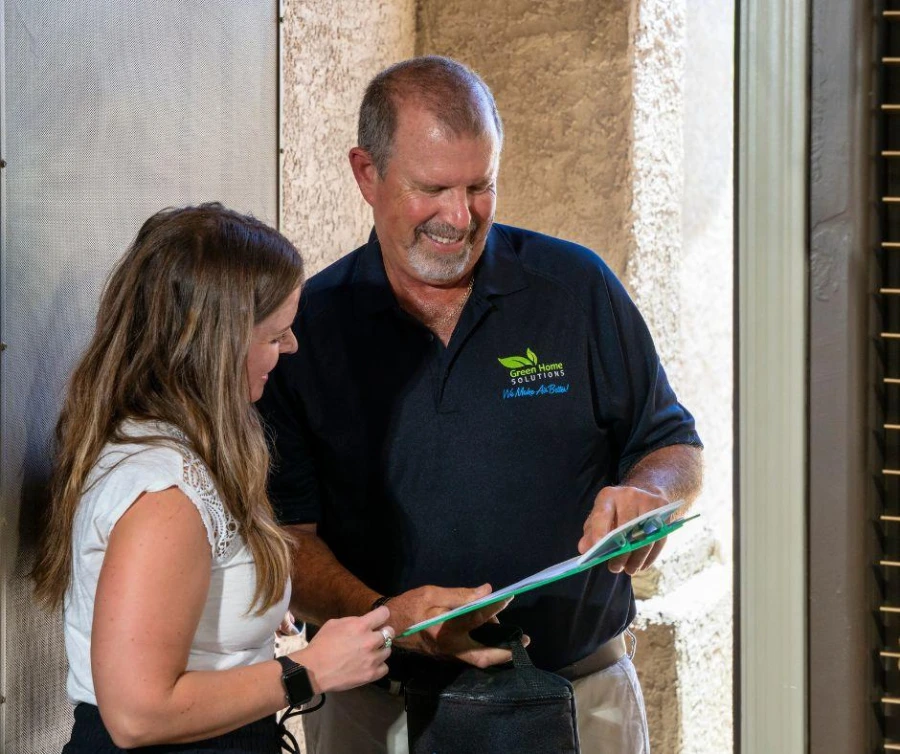
Walkthrough & Consultation
We talk through what’s prompting the inspection and any history of leaks, flooding, or past issues.
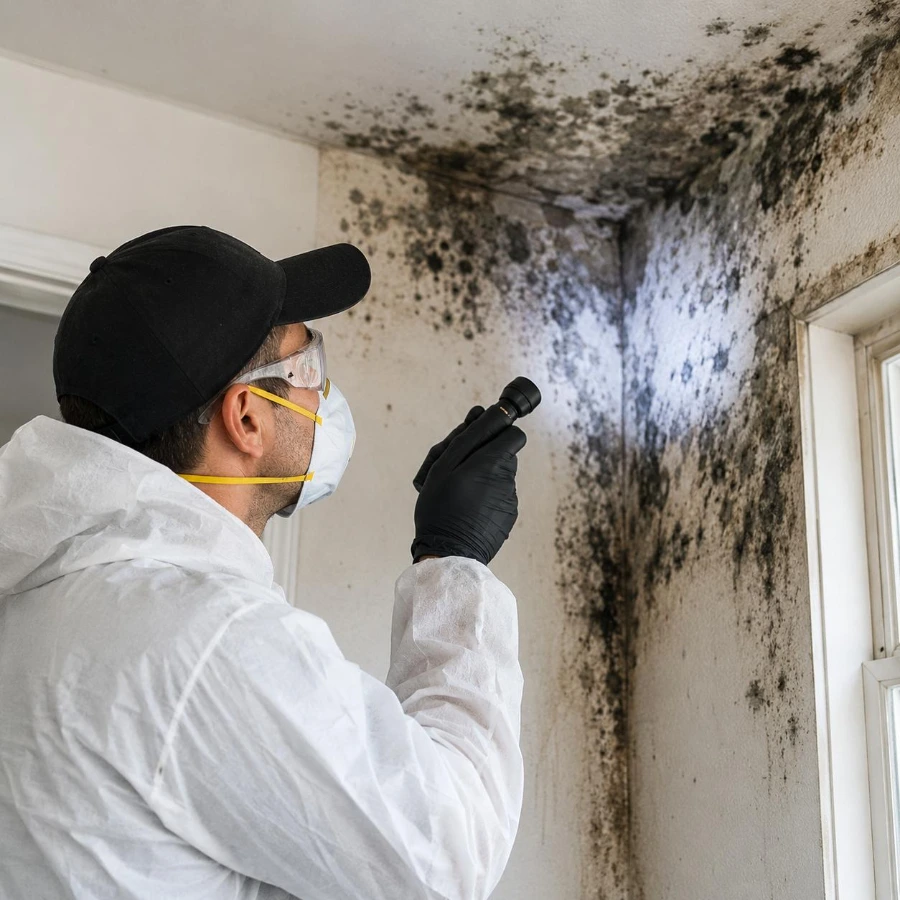
Visual Assessment
We check walls, wood, and other surfaces in the areas most prone to moisture, including basements, crawl spaces, and attics.
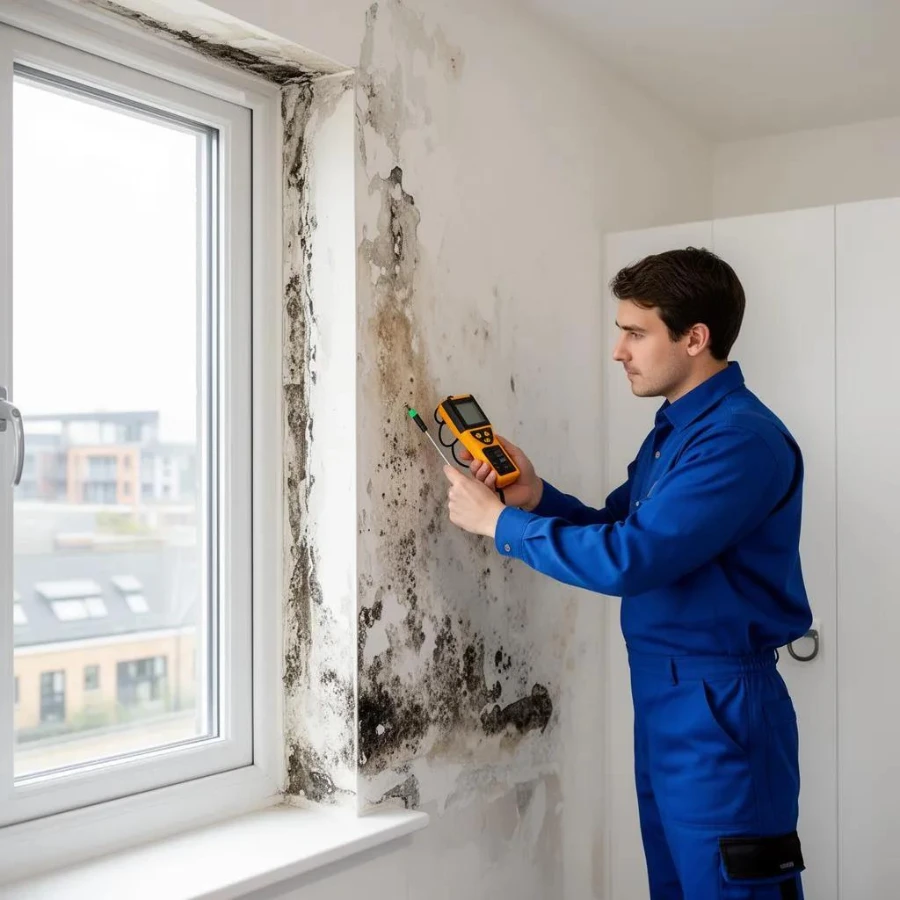
Moisture Readings & Leak Evaluation
We use a moisture meter to spot hidden dampness and evaluate any known or suspected leaks.

Written Findings & Recommendations
You get a written summary of what we found and an honest recommendation on what, if anything, to do next.
What a Mold Inspection Costs
Cost depends on the property and how much of it needs checking. Here’s what affects it:
- The size of the property and number of rooms
- Whether crawl space or attic access is involved
- Whether it’s a general walkthrough or focused on one specific concern
- How soon you need it done, like ahead of a closing date
Tell us the property and the timeline and we’ll give you a straight number.
How We Reduce Your Risk
- A written summary of findings, not just a verbal opinion you have to remember
- Honest next-step recommendations, even if that means no further work is needed
What Louisville Homeowners Say
A few notes from recent mold inspections around the metro.

We were about to close on a house and wanted a real look before signing anything. They walked the whole place, showed us exactly what they were checking, and gave us a written summary the same day.

I had a spot on the ceiling I was worried about. Turned out to be an old stain with no active moisture behind it, and they told me that straight instead of trying to sell me more work.

The moisture reading behind our shower wall caught a slow leak we didn’t know about. Glad we found it during the inspection instead of a year from now.
What Backs Up Our Work
EPA-Guided Practices
Our assessments follow current EPA guidance for mold and moisture in homes.
Licensed & Insured
Our mold inspection work is carried out by a licensed and insured local team.
Straight-Talk Reporting
You get clear, honest explanations of what was found, without pressure to book work you don’t need.
Mold Inspection Questions, Answered
Most mold problems can be fixed and aren’t a reason to walk away on their own. An inspection gives you the real picture, how widespread it is and what’s likely causing it, so you can make that call with actual information instead of a guess.
In most cases, yes, though how much work that takes depends on how far it’s spread. An inspection is how you find out the actual extent before assuming the worst.
Remediation levels describe how severe and widespread a mold problem is, which is what determines the scope of the cleanup work needed. An inspection’s job is to assess that severity so any remediation that follows is scoped to what’s actually there, not guessed at.
It depends on how much mold is present and where. An inspection tells you what’s actually there and how urgent it is, instead of leaving you to guess based on a smell or a spot on the wall. Talk to a doctor if you have health concerns.
Mold tends to be most active during warm, humid stretches of the year, when moisture and temperature both favor growth. That said, an indoor moisture problem can cause mold in any season, which is why an inspection is worth doing whenever a concern comes up, not just in summer.
Ready for a Straight Answer on What’s There?
You’ll get a thorough walkthrough, a written summary, and an honest recommendation on what, if anything, comes next.
- Thorough, room-by-room walkthrough
- EPA-guided assessment practices
- Serving Louisville, KY
- Written findings, no upsell pressure