
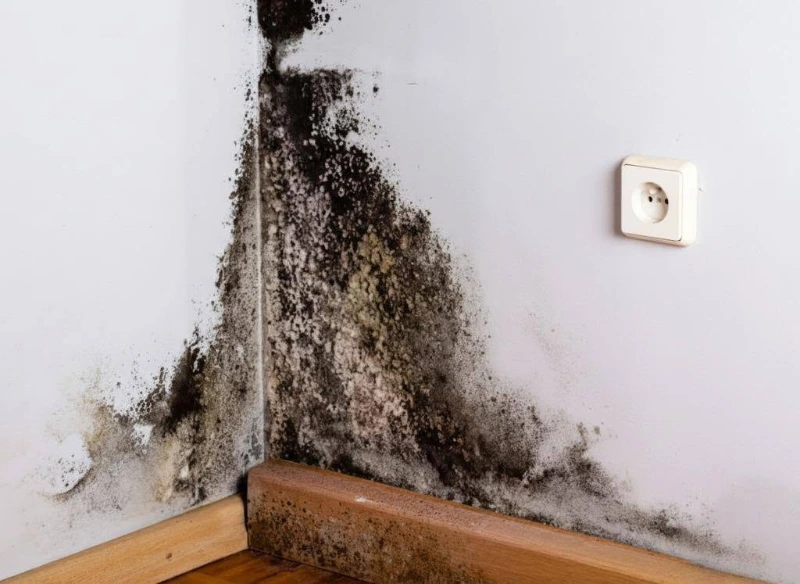
Is Black Mold Dangerous? What Louisville Homeowners Need to Know
Finding dark mold in your home is unsettling, and it’s easy to fall down an internet rabbit hole of scary stories. Here’s an honest, level-headed look at what the real health risks are, and what’s mostly myth.
Black mold can cause real health problems for some people, but it’s not the guaranteed medical emergency it’s sometimes made out to be online. Most reactions are similar to other common molds: irritated eyes, a stuffy nose, coughing, or skin irritation. People with asthma, allergies, or a weakened immune system tend to be more sensitive. Severe, rare reactions do happen, but they’re the exception, not the rule.
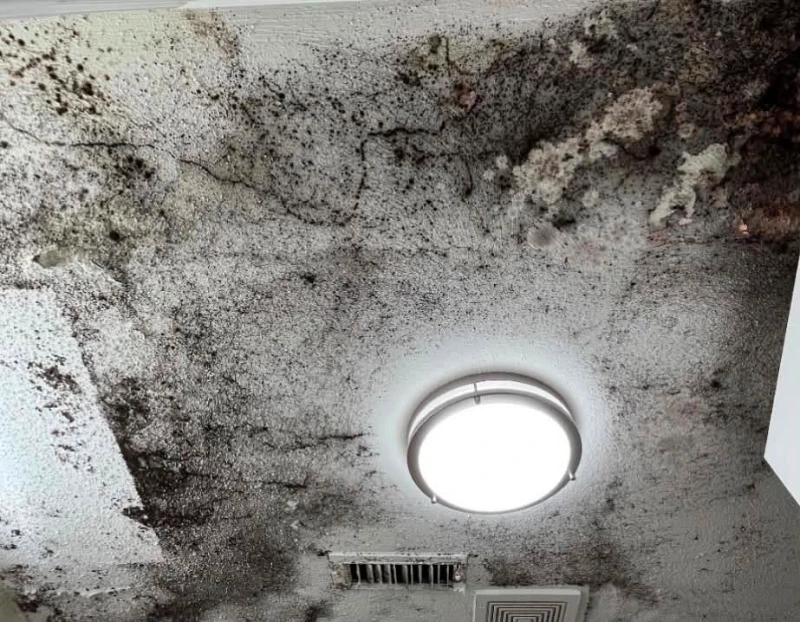
What “Black Mold” Actually Means
“Black mold” isn’t one single type of mold. It’s a common nickname people use for any mold that looks dark or black, and several different species can fit that description. Some of them can produce more irritating compounds than others, but color alone doesn’t tell you how dangerous a specific patch of mold is. A lab test, not a glance, is the only reliable way to know what species you’re actually dealing with.
What the Health Risks Actually Are
For most healthy adults, exposure to mold, including black mold, causes allergy-type symptoms. Think sneezing, a runny or stuffy nose, itchy or watery eyes, coughing, or a scratchy throat. Some people also get skin irritation if they touch a moldy surface directly.
The bigger concern is for people who are already more sensitive. That includes anyone with asthma, existing allergies, or a weakened immune system, along with infants and older adults. For these groups, ongoing mold exposure can make existing symptoms worse or trigger more frequent flare-ups.
Common Myths Worth Clearing Up
A few ideas about “toxic black mold” get repeated so often that people assume they’re settled facts. They’re not.
Myth: any exposure causes serious, permanent illness. In reality, most healthy people who are exposed to household mold have mild symptoms or none at all. Reactions depend heavily on the person, not just the mold.
Myth: you can judge how dangerous mold is just by looking at it. Color, size, and smell can tell you there’s a problem worth addressing, but they can’t tell you the species or the exact risk level. That takes testing.
Myth: a small spot of mold is nothing to worry about. A small visible spot can still mean a bigger hidden problem behind a wall or under flooring, since what you see is often only part of the picture.
When It’s Worth Taking Seriously
A few situations are worth acting on sooner rather than later:
- Someone in the home has ongoing symptoms that ease up when they’re away from the house. That pattern is a strong hint the home itself is the trigger.
- A baby, an older adult, or someone with asthma or allergies lives in the home. They’re more likely to feel effects sooner than a healthy adult would.
- The mold covers a large area or keeps coming back. A growing or recurring patch usually points to a moisture source that hasn’t been fixed.
- There’s a persistent musty smell, even without visible mold. That smell often means mold is growing somewhere you can’t see it.
A quick note on self-diagnosing from photos online. Forums and social media are full of people trying to identify mold from a picture, and it rarely settles anything. If you want a real answer instead of a guess, a proper look from someone trained to check for it, explained in our guide to mold inspection, testing, and remediation, is a more reliable next step than another internet search.