What Is Mycotoxin Testing and Do You Need It?
Mycotoxin testing comes up a lot in mold forums and health discussions, but it’s not something most homeowners actually need. Here’s what it really checks for, and when it genuinely makes sense.
Mycotoxins are toxic compounds that some, not all, mold species can produce under certain conditions. Mycotoxin testing looks for those specific compounds, rather than just counting mold spores or identifying species the way standard testing does. It’s a narrower, more specialized test, and most mold situations never call for it. It tends to matter most when someone has unexplained health symptoms that haven’t improved even after mold has been addressed through normal means.
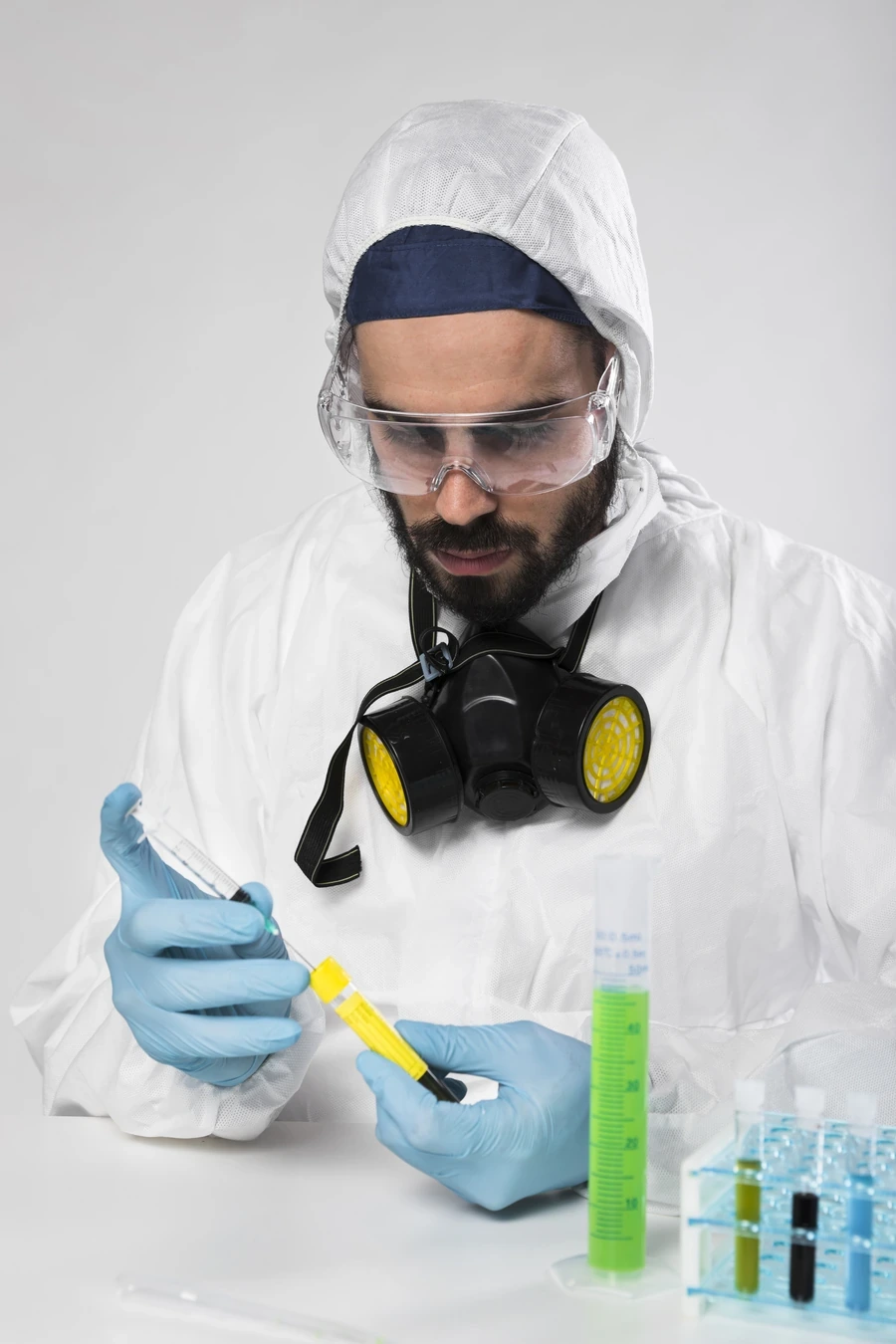
What Mycotoxins Actually Are
Not every type of mold produces mycotoxins, and even mold species capable of producing them don’t always do so. Production tends to depend on the specific species and the conditions it’s growing in. This is an important distinction, because finding mold in a home doesn’t automatically mean mycotoxins are present. The two things are related, but they aren’t the same question.
How Mycotoxin Testing Works
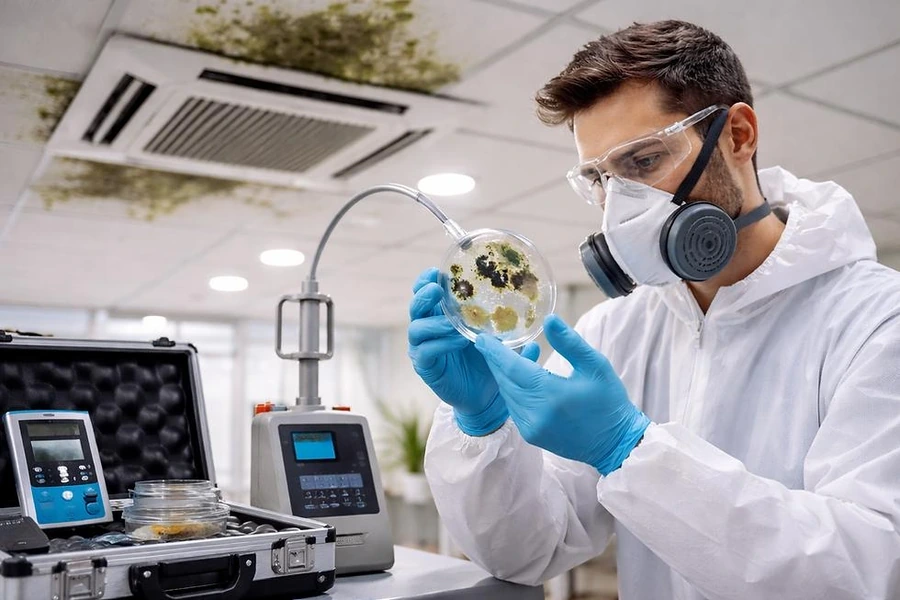
Rather than counting airborne spores, mycotoxin testing usually analyzes a dust, surface, or material sample for the actual toxic compounds. The sample gets sent to a specialized lab that tests for specific mycotoxin markers. This is a different lab process than standard mold testing, and it typically takes longer and costs more, since it’s checking for chemical compounds rather than just identifying and counting organisms.
How It’s Different from Standard Mold Testing
Standard mold testing, including the kind covered in our guide to indoor air quality testing, measures spore counts and identifies species in the air. Mycotoxin testing asks a completely different question: are toxic compounds actually present, regardless of spore counts. A home can have a confirmed mold problem with no mycotoxins detected, and in rare cases the reverse can happen too. Neither test replaces the other, since they’re measuring different things.
Do You Actually Need This Test?
For most people dealing with a mold problem, standard testing and a proper inspection answer the questions that actually matter: is there a problem, where is it, and how bad is it. Mycotoxin testing tends to be worth considering in narrower situations, usually involving ongoing, unexplained health symptoms rather than a routine mold concern.
- Symptoms haven’t improved after mold has already been remediated. This can be a reason to look deeper into what’s actually in the air or on remaining surfaces.
- A doctor has recommended it as part of investigating specific symptoms. Medical guidance carries more weight here than a general online suggestion.
- Standard testing and inspection haven’t explained an ongoing problem. Mycotoxin testing can be a next step when the usual answers haven’t been enough.
A quick note on at-home test kits. Some medical and industry experts have raised real questions about how reliable certain at-home mycotoxin tests, especially urine-based kits, actually are. Lab-based dust or surface analysis tends to be more established than these mail-in health tests. If health symptoms are involved, it’s worth talking to a doctor before relying on a test kit alone to make decisions.