How Indoor Air Quality Testing Helps Identify Mold Problems
Booking an air quality test makes more sense once you know what it’s actually measuring. Here’s a plain look at what the test checks, and what the results can and can’t tell you.
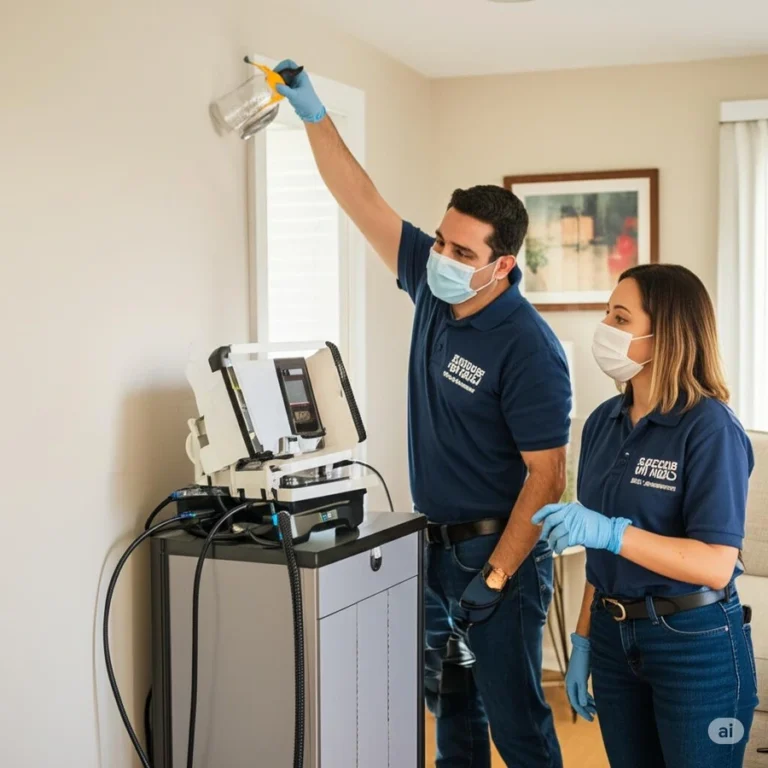
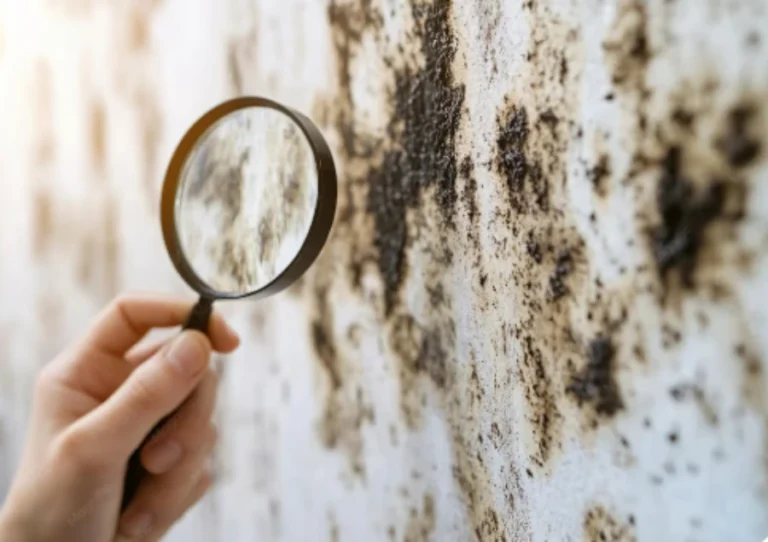
Indoor air quality testing measures what’s actually floating in the air you breathe, mainly mold spores, and compares that count to a normal outdoor baseline. It’s built to catch problems you can’t see, like a hidden patch of mold behind a wall that’s still releasing spores into the room. The test doesn’t remove anything or fix anything. It simply tells you whether the air backs up a suspicion, or rules one out.
What the Test Actually Measures
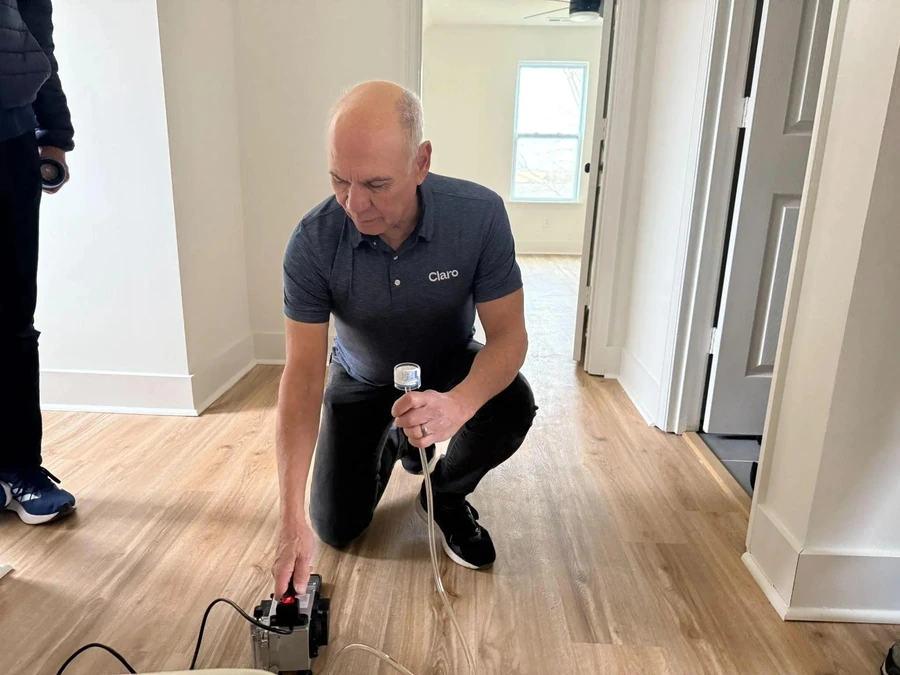
A technician uses a small pump to pull a set volume of air through a collection device over a few minutes. That sample gets sent to a lab, where it’s examined under a microscope to count mold spores and identify which types are present. The result comes back as a spore count, along with the species found, for the room or area that was sampled.
Why the Outdoor Sample Matters Just as Much
Mold spores exist in outdoor air everywhere, all the time, in small amounts. That’s normal. It’s why a single indoor number on its own doesn’t mean much. A technician also takes an outdoor sample from the same property on the same day, and that becomes the baseline for comparison. If the indoor count is close to or lower than the outdoor count, that’s usually a good sign. If it’s noticeably higher, or if it includes species that aren’t typically found outdoors, that points to an indoor source.
What Results Can and Can’t Tell You
A test result can tell you whether the air has an elevated spore count, which species are present, and how that compares to a normal baseline. What it can’t do is point to the exact wall, room, or pipe where the mold is actually growing. Air moves through a house, so elevated spores in one room don’t always mean the source is in that room. This is why air testing usually works best alongside a hands-on inspection, not instead of one, since the inspection is what actually traces the moisture back to its source.
When This Test Makes the Most Sense
Air testing tends to be most useful in a few specific situations, rather than as a routine first step for every mold concern:
- No visible mold, but someone has ongoing allergy or breathing symptoms at home. Air testing can confirm or rule out mold as the cause.
- You need written documentation. A home sale, rental dispute, or insurance claim often calls for a formal lab report, not just a visual opinion.
- You want confirmation after remediation is finished. A follow-up air sample can confirm the air has returned to a normal baseline.
A quick note on more specific air tests. Standard air quality testing counts spores and identifies common species. If there’s a more specific concern, like testing for the toxic compounds certain molds can produce, that calls for a separate, more specialized test rather than a standard air sample. Standard testing and specialized testing answer different questions, and one doesn’t automatically include the other.
If you’re still unsure whether testing, an inspection, or both make sense for what you’re dealing with, our comparison of mold inspection, testing, and remediation breaks down when each one actually applies.