
Crawl Space Mold Removal Louisville, KY
Crawl space mold removal is mold removal work carried out in the enclosed, low-clearance space under the house, where ground moisture, poor ventilation, and limited airflow create conditions that bring mold back unless the moisture problem is addressed along with the growth itself.
We contain the access point, remove insulation and other materials that can’t be saved, treat what stays, and address the moisture and ventilation behind it. Serving homeowners across Louisville, KY.
- Moisture and ventilation addressed, not just the mold
- EPA-guided removal practices
- Louisville, KY & surrounding ZIPs
Request an Inspection
What’s Included in Crawl Space Mold Removal
- Containment set up at the crawl space access point during removal
- Removal of contaminated insulation, subfloor material, and other items that can’t be saved
- Antimicrobial treatment of the floor joists and other surfaces that stay
- HEPA filtration to manage airborne spores in a confined space
- A conversation about ground moisture and ventilation, so the problem doesn’t just come back
- Mold in the living space above. See our mold remediation service
- Basement-level mold. See our basement mold remediation service
- Lab-confirmed testing before work begins. See our mold testing service
Signs You May Have Crawl Space Mold
Crawl space mold is easy to miss since it’s out of sight, these are the signs that usually give it away.
A musty smell coming up through floor vents or gaps in the flooring above
Visible mold on floor joists, subfloor, or insulation when accessing the crawl space
Standing water, damp soil, or a history of poor drainage under the house
Condensation on ductwork or pipes running through the crawl space
Noticing a musty smell or damp air under the house?
Get a Crawl Space QuoteWhat Actually Happens During Crawl Space Mold Removal
Here’s what happens, step by step.
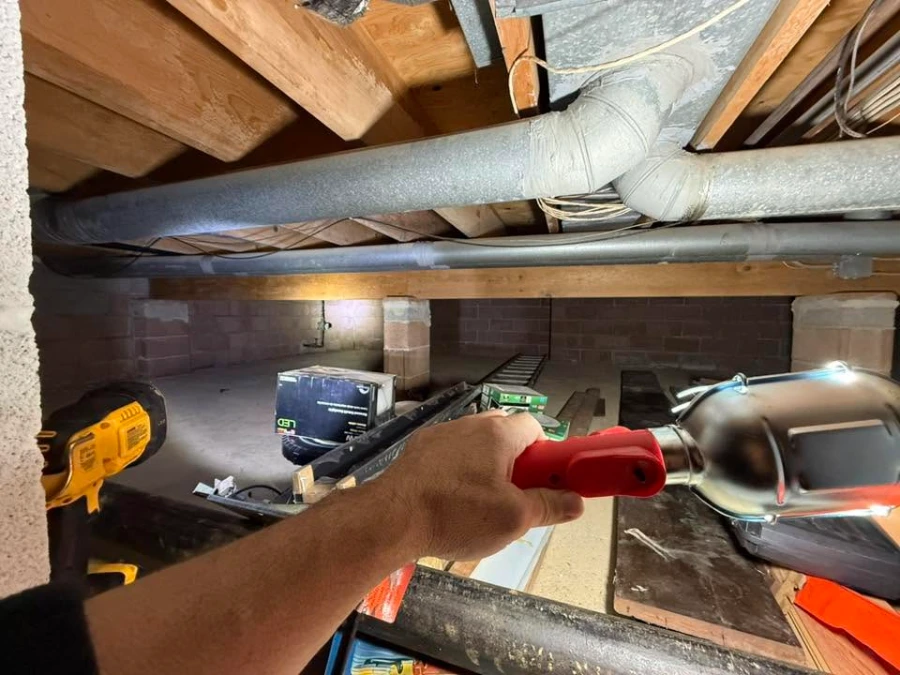
Crawl Space Assessment & Access
We check the extent of the growth and the moisture source behind it before planning the work.
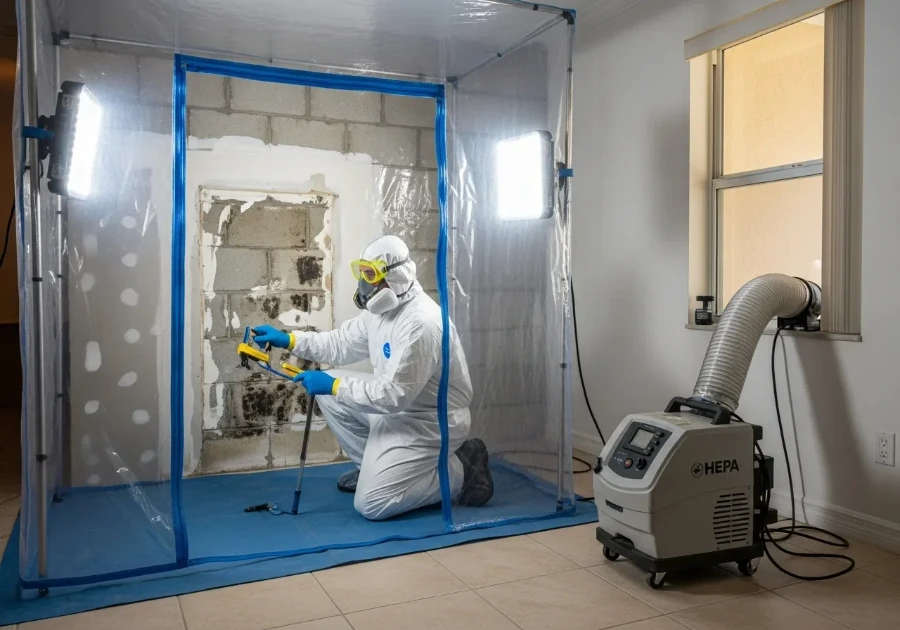
Containment Setup
We seal off the access point so spores don’t spread into the house while we work.
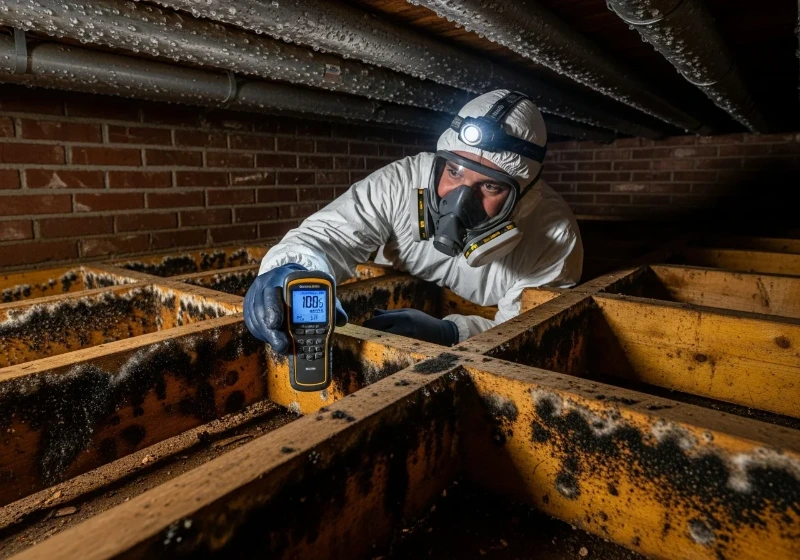
Removal & Treatment
Contaminated insulation, subfloor material, or other items are removed, and remaining surfaces are treated.
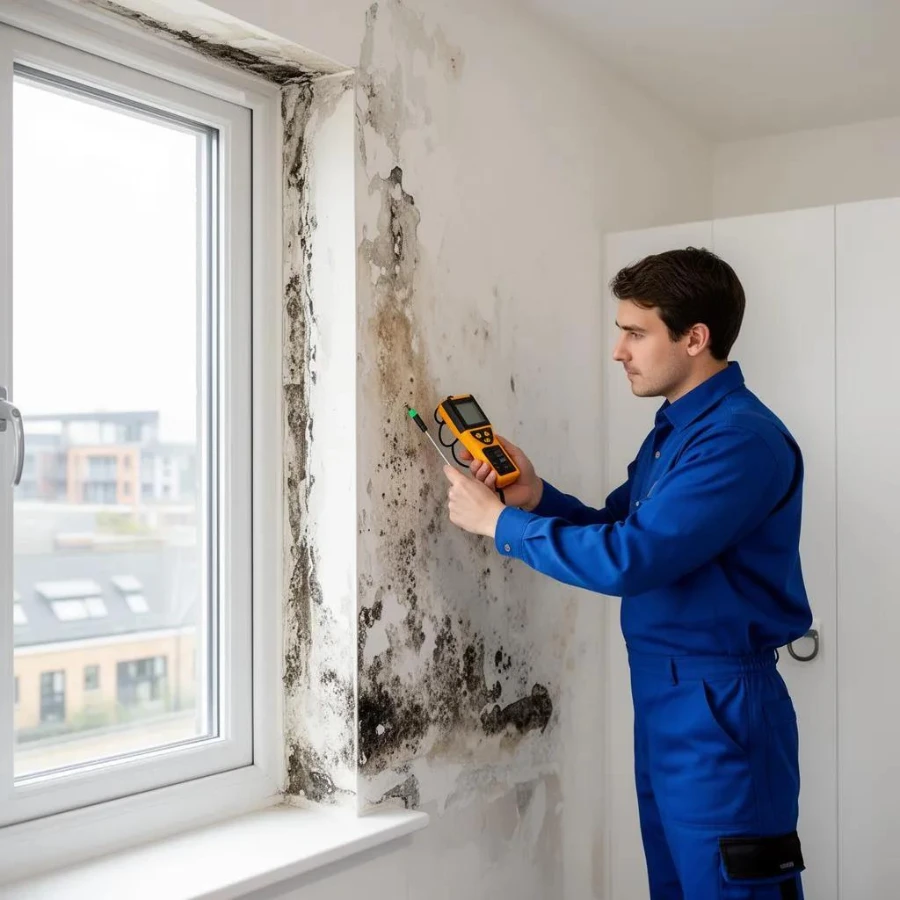
Moisture Control & Final Check
We address ground moisture and ventilation, then check the space before calling it done.
What Crawl Space Mold Removal Costs
Cost depends on the specific crawl space. Here’s what affects it:
- The size of the crawl space and how much of it is affected
- How much insulation or subfloor material needs removing and replacing
- How difficult the access point makes the work
- Whether a vapor barrier or added ventilation is recommended after the work
Tell us what you’re seeing and we’ll quote a plan sized to your crawl space.
How We Reduce Your Risk
- A written scope of work before we remove anything, so you know exactly what’s being replaced
- A moisture-source discussion, not just removal, so this isn’t a job you’re paying for twice
Real Crawl Space Mold Removal Results
Before and after: the same crawl space, before removal and after the job was finished.
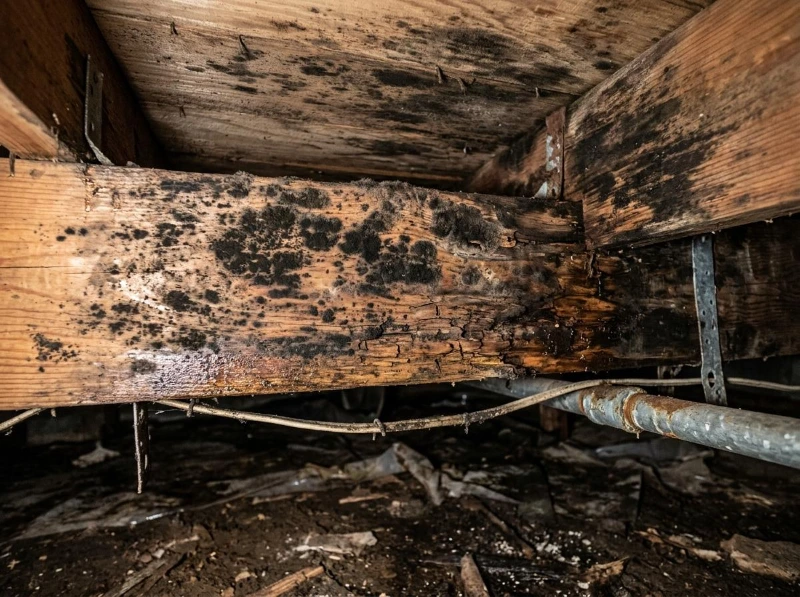 Before
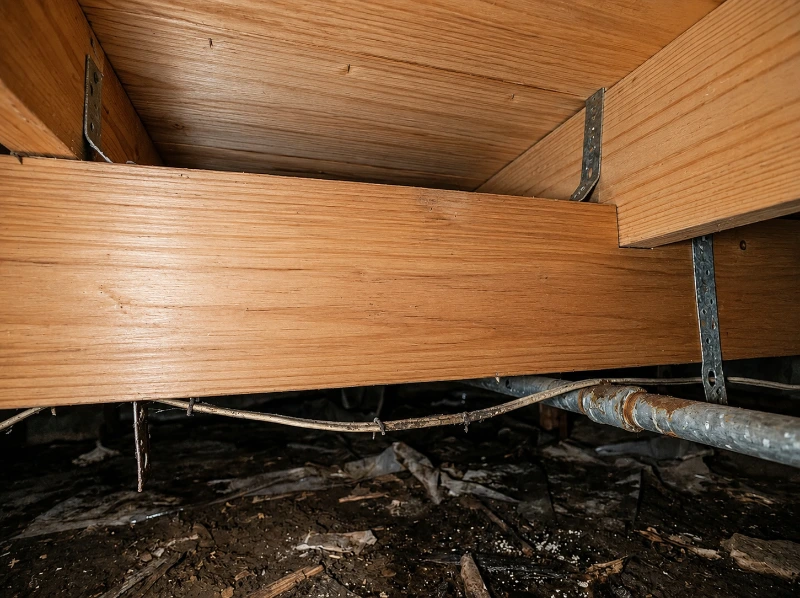 After
After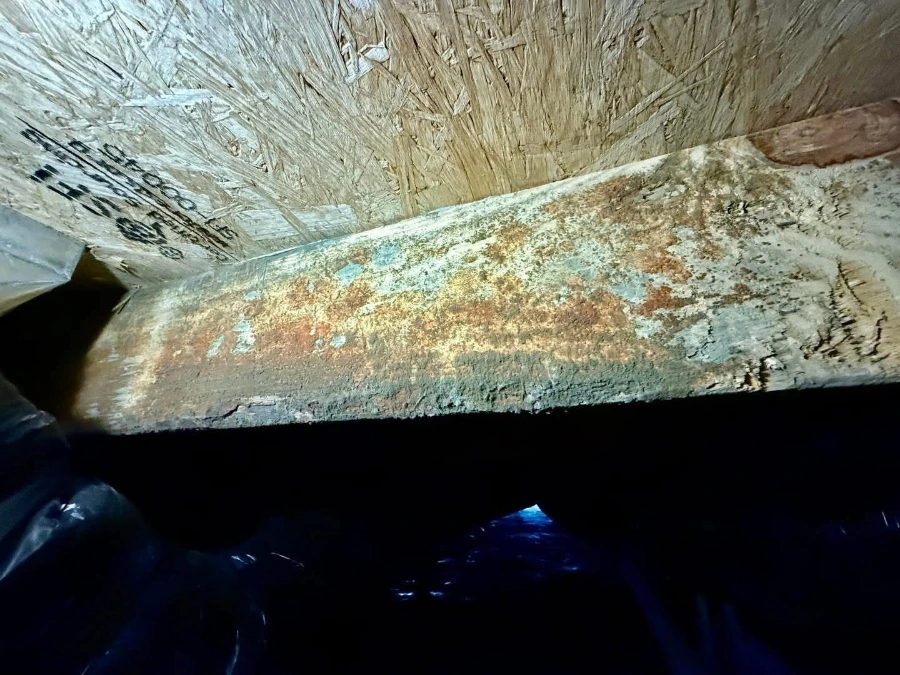 Before
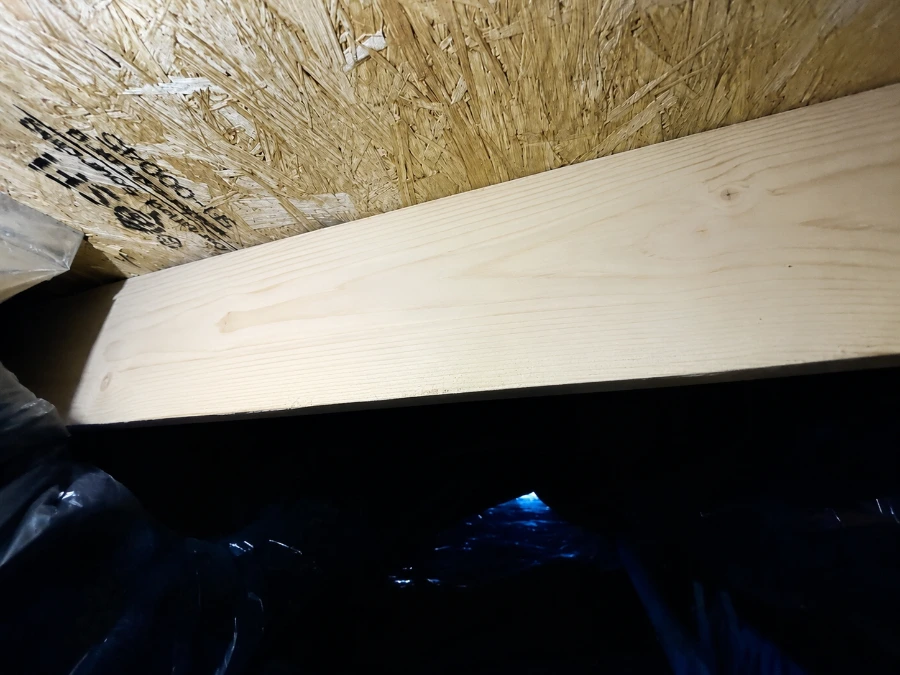 After
AfterWhat Louisville Homeowners Say
A few notes from recent crawl space mold removal jobs around the metro.

Never even knew we had a crawl space access panel until an inspector pointed it out during a refinance. Glad we got it looked at before it became a bigger problem.

Musty smell in the hallway turned out to be coming from under the house. They showed me photos from down there before starting so I actually understood what I was paying for.

I’d tried spraying it myself and it just kept coming back. Turned out the ventilation down there was basically nonexistent, which they explained clearly once they got in.
What Backs Up Our Work
EPA-Guided Removal Practices
Crawl space mold removal follows current EPA guidance for mold removal and moisture control.
Licensed & Insured
Crawl space mold removal is carried out by a licensed and insured local team.
Equipped for Confined-Space Work
Our crew comes equipped with the containment gear and lighting a low-clearance crawl space actually requires.
Crawl Space Mold Removal Questions, Answered
Crawl spaces are tight, low-clearance, and often poorly ventilated, exactly the kind of enclosed space where DIY mold removal exposes you to spores and cleaning chemicals without proper containment or respiratory protection. A professional crew also identifies the moisture source behind the growth, not just what’s visible on the joists.
In a crawl space specifically, it won’t stay gone if the ground moisture or ventilation issue that caused it isn’t addressed too. That’s why crawl space removal here includes a moisture and ventilation discussion, not just taking out the affected material.
Crawl space work isn’t priced on a flat per-square-foot rate. Square footage is only one factor, access difficulty, how much insulation or subfloor material is affected, and whether a vapor barrier is recommended all move the number. We’ll give you a real figure after seeing the space.
An inspection is a visual check for signs of mold, testing sends samples to a lab to confirm species and levels, and remediation is the actual removal and treatment. In a crawl space, most jobs start with a visual check of the joists and insulation rather than lab testing, since visible growth down there is usually enough to move straight to removal.
Some do, and crawl space work is a place where that happens a lot since most homeowners can’t easily check the space themselves. We show you photos or video from inside the crawl space and explain exactly what we’re seeing before recommending anything, so you’re not just taking our word for it.
Dealing With Mold Under Your House?
You’ll get a written scope of work, containment, and the moisture and ventilation issue addressed alongside the mold itself.
- Moisture and ventilation addressed, not just the mold
- EPA-guided removal practices
- Serving Louisville, KY
- A plan sized to your specific crawl space